
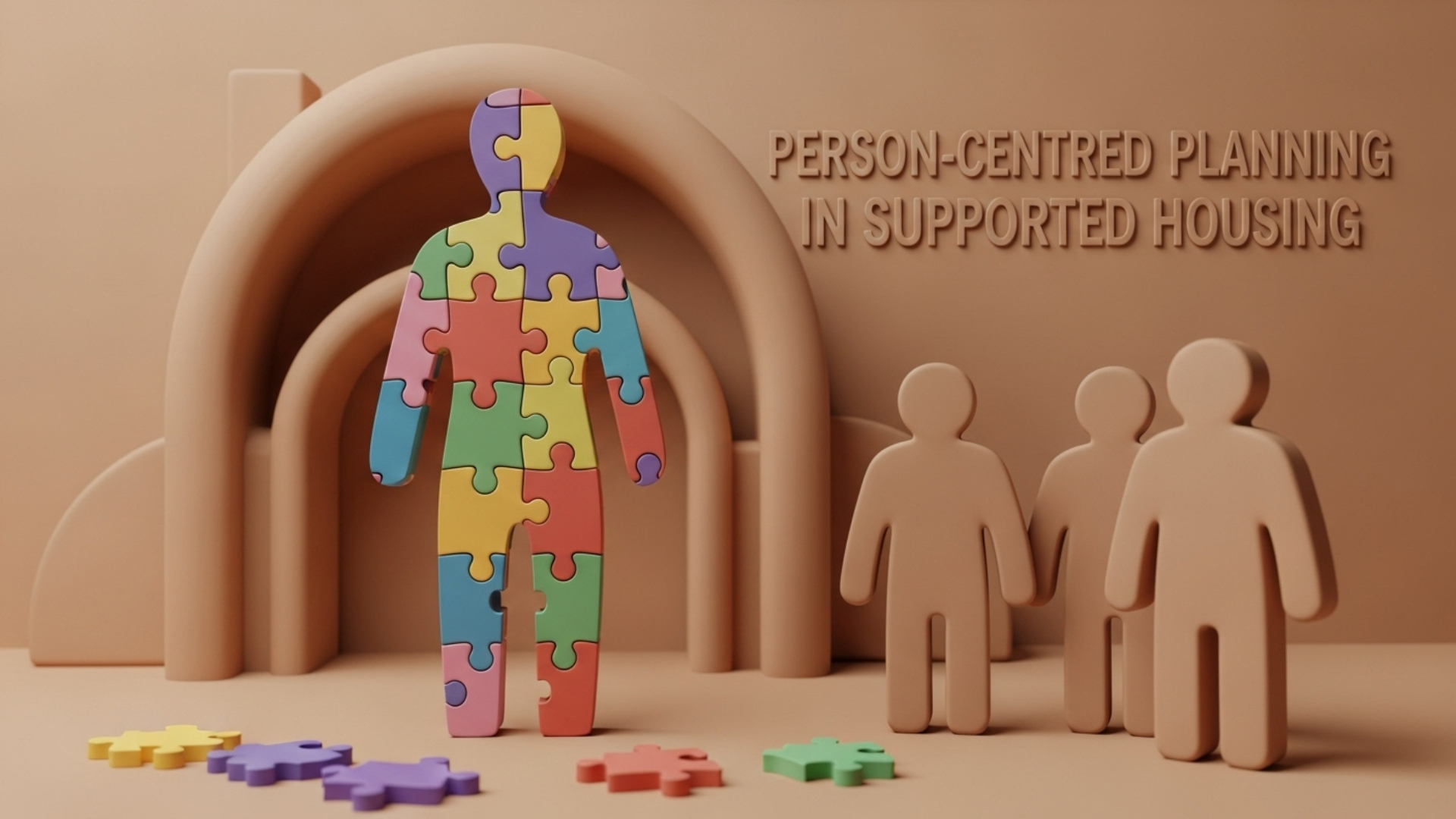
1. What Is Person-Centred Planning?
Person-centred planning is an approach to support planning that puts the individual at the very centre. It starts with the person's own goals, dreams, and preferences, and builds support around them, rather than starting with what services are available and trying to fit the person into them.
The difference might sound subtle, but it's profound. Traditional planning often begins with assessments of needs and risks, then designs support to address those. Person-centred planning begins with what matters to the person, what they want their life to look like, and how support can help them get there. It's a shift from 'what's wrong?' to 'what's possible?'
2. Core Principles
Person-centred planning is built on several core principles:
- The person is the expert on their own life
- Everyone has strengths, gifts, and capacities
- Relationships and community connections matter as much as services
- Choice and control belong to the person, not the service
- Plans should reflect what's important to the person, not just what's important for them
- Support should enable the life the person wants, not the life others think they should want
These principles challenge some traditional assumptions about how support should work, and putting them into practice requires a genuine shift in mindset.
3. The Planning Process
Person-centred planning isn't just about the written plan. It's about the process of creating it. A good person-centred planning process involves:
- Taking time to really get to know the person
- Involving the people who matter to them, if they want that
- Creating a safe, comfortable space for the conversation
- Using accessible formats and language
- Starting with what the person wants and working backwards from there
- Focusing on possibilities rather than limitations
- Making the person feel heard and valued throughout
The process should never feel rushed or like a box-ticking exercise. It's a genuine exploration of someone's hopes and how support can help make them real.
4. Tools and Approaches
There are various tools and approaches that can help with person-centred planning. These include:
- One-page profiles: a single page summarising what's important to the person, how to support them, and what they like
- PATH planning: a visual planning tool that maps the journey from where someone is now to where they want to be
- MAPS: a process that brings people together to dream and plan collaboratively
- Personal budgets: giving people control over their support budget to buy the services they need
- Circle of support: a group of people who commit to supporting someone's plan
No single tool works for everyone. The key is to find approaches that feel comfortable and accessible for the individual.
5. Overcoming Barriers
Person-centred planning can face barriers, particularly in services that are used to more traditional ways of working. Common challenges include:
- Time pressure and high caseloads
- Organisational cultures that prioritise risk management over choice
- Funding constraints that limit what's possible
- Staff who haven't been trained in person-centred approaches
- Tension between what the person wants and what others think they need
Overcoming these barriers requires commitment from organisations, not just individual workers. It needs to be embedded in policies, training, and the way services are structured. But even in imperfect systems, individuals can still work in more person-centred ways.
6. Reviewing and Adapting Plans
Person-centred plans aren't static documents. They need to be living, evolving tools that change as the person's life and priorities change. Regular reviews are essential, but they should be as person-centred as the initial planning process.
Good reviews involve:
- Celebrating what's been achieved
- Discussing what's working and what isn't
- Checking whether goals or priorities have changed
- Updating the plan to reflect current circumstances
- Making sure the person still feels ownership of the plan
Reviews should feel empowering and positive, not like an interrogation or assessment.
7. When Person-Centred Planning Is Done Well
When person-centred planning is done well, it transforms the experience of support. People feel more in control of their lives. They're working towards goals that actually matter to them. Support feels collaborative rather than imposed. And outcomes improve, not just in measurable ways but in terms of wellbeing, dignity, and quality of life.
Support workers who embrace person-centred planning often find it more rewarding too. Rather than feeling like they're managing people or delivering services, they're helping people build the lives they want. That's genuinely meaningful work.
8. Final Thoughts
Person-centred planning isn't a technique or a form to fill in. It's a philosophy, a way of seeing and working with people that respects their humanity, values their voice, and believes in their capacity to direct their own lives. In supported housing, where so many residents have experienced being controlled, dismissed, or having decisions made for them, person-centred planning can be genuinely transformative.
If you're involved in support planning, commit to putting the person at the centre, not just in theory but in practice. Listen to what they want. Believe in their dreams. And work with them to make those dreams real, one step at a time.


