
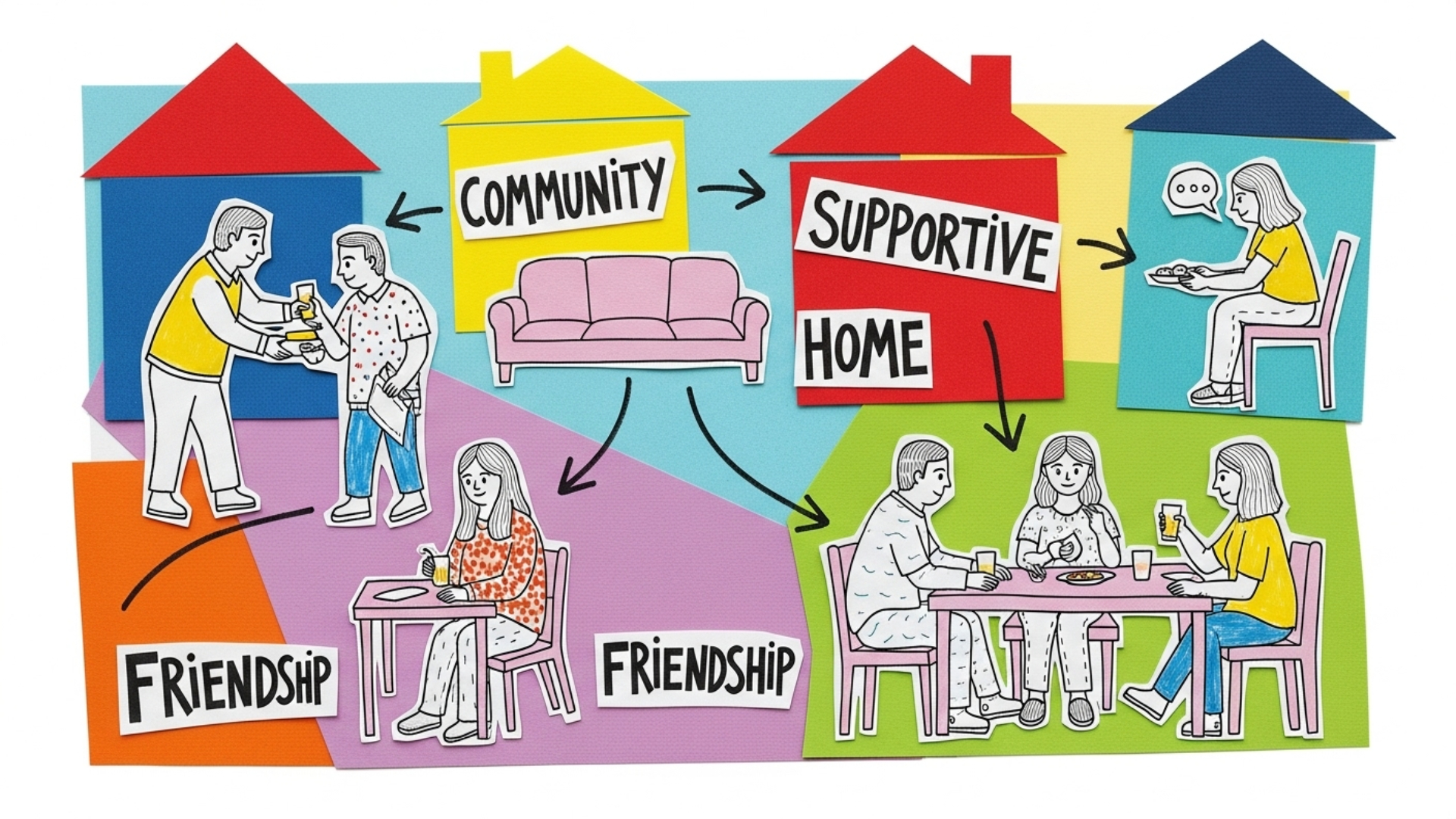
1. Understanding Learning Difficulties
Learning difficulties, sometimes called learning disabilities, affect the way a person learns, understands information, and communicates. They're lifelong conditions that begin in childhood and vary widely in how they present. Some people with learning difficulties might need minimal support, whilst others might need more intensive help with daily living.
It's important to understand that having learning difficulties doesn't mean someone lacks capacity to make decisions or lacks the ability to live independently. With the right support, many people with learning difficulties live fulfilling, self-directed lives in their own homes.
In supported housing, understanding each person's individual needs, strengths, and preferences is essential. Labels and diagnoses can provide some guidance, but they never tell the full story.
2. Communication Strategies
Communication with residents who have learning difficulties may need some adjustments. Effective strategies include:
- Using clear, simple language without jargon
- Breaking information down into smaller chunks
- Giving people time to process and respond
- Using visual aids like pictures, symbols, or written words where helpful
- Checking understanding regularly and rephrasing if needed
- Being patient and not rushing conversations
- Listening carefully and valuing what the person is telling you
Some people with learning difficulties may use alternative communication methods, such as Makaton signs or communication boards. It's important to learn and use these if they're part of how someone communicates.
3. Supporting Independence
Supporting independence for adults with learning difficulties is about working out what someone can do for themselves, what they need help with, and how that help can be provided in a way that maximises their autonomy. This might involve:
- Task analysis: breaking activities down into manageable steps
- Modelling: showing someone how to do something
- Prompting: providing reminders or cues at the right moment
- Using visual schedules or checklists
- Allowing plenty of time for people to do things at their own pace
- Celebrating successes and progress
The goal is always to support people to do as much as possible for themselves, rather than doing things for them. This builds confidence, skills, and genuine independence.
4. Working with Families and Advocates
Many adults with learning difficulties have family members or advocates who play an important role in their lives. These relationships should be recognised and valued, whilst also respecting the adult's right to independence and privacy.
Working with families and advocates might involve:
- Including them in support planning where the resident wants this
- Sharing information appropriately, with the resident's consent
- Listening to their insights and knowledge about what works for the person
- Balancing their input with the resident's own views and wishes
- Addressing any conflicts or disagreements respectfully
It's important to remember that the adult with learning difficulties is the primary person you're supporting, not their family. Their voice should always come first.
5. Health and Wellbeing
Adults with learning difficulties often face health inequalities and may have additional health needs that require attention. Supporting health and wellbeing might involve:
- Help accessing healthcare services and attending appointments
- Support to communicate with healthcare professionals
- Encouragement to maintain a healthy lifestyle
- Monitoring for signs of pain or illness that might not be communicated clearly
- Working with GPs and other professionals to ensure health needs are met
Health checks for people with learning difficulties are particularly important, as some conditions are more common in this group and regular monitoring can catch problems early.
6. Social Inclusion
Social inclusion and community participation are crucial for everyone, including adults with learning difficulties. Supporting social inclusion might involve:
- Helping people access community activities and groups
- Supporting the development of friendships and relationships
- Encouraging participation in hobbies and interests
- Addressing barriers to inclusion, such as accessibility or stigma
- Supporting people to advocate for themselves in the community
People with learning difficulties have the same need for social connection, meaningful activity, and a sense of belonging as everyone else. Making sure these needs are met is a key part of support.
7. Rights and Safeguarding
Adults with learning difficulties have the same rights as everyone else, including the right to make their own decisions, the right to privacy, and the right to be treated with dignity and respect. However, they may be more vulnerable to abuse, exploitation, or poor treatment, which makes safeguarding particularly important.
Supporting rights and safeguarding involves:
- Making sure people understand their rights
- Supporting people to make informed decisions
- Being vigilant for signs of abuse or exploitation
- Following safeguarding procedures when concerns arise
- Empowering people to speak up and be heard
The Mental Capacity Act 2005 provides important protections for people who may lack capacity to make specific decisions. Understanding this legislation and applying it appropriately is essential for anyone supporting adults with learning difficulties.
8. Final Thoughts
Supporting adults with learning difficulties in housing settings requires patience, creativity, and a genuine commitment to person-centred support. It's about seeing the person first, not the label, and working with them to build the life they want to live. When it's done well, it's some of the most rewarding work there is.
If you're supporting someone with learning difficulties, take the time to get to know them as an individual. Learn what works for them, what matters to them, and what support they find helpful. And remember that everyone, regardless of their abilities, deserves the chance to live a full, meaningful, independent life.


