
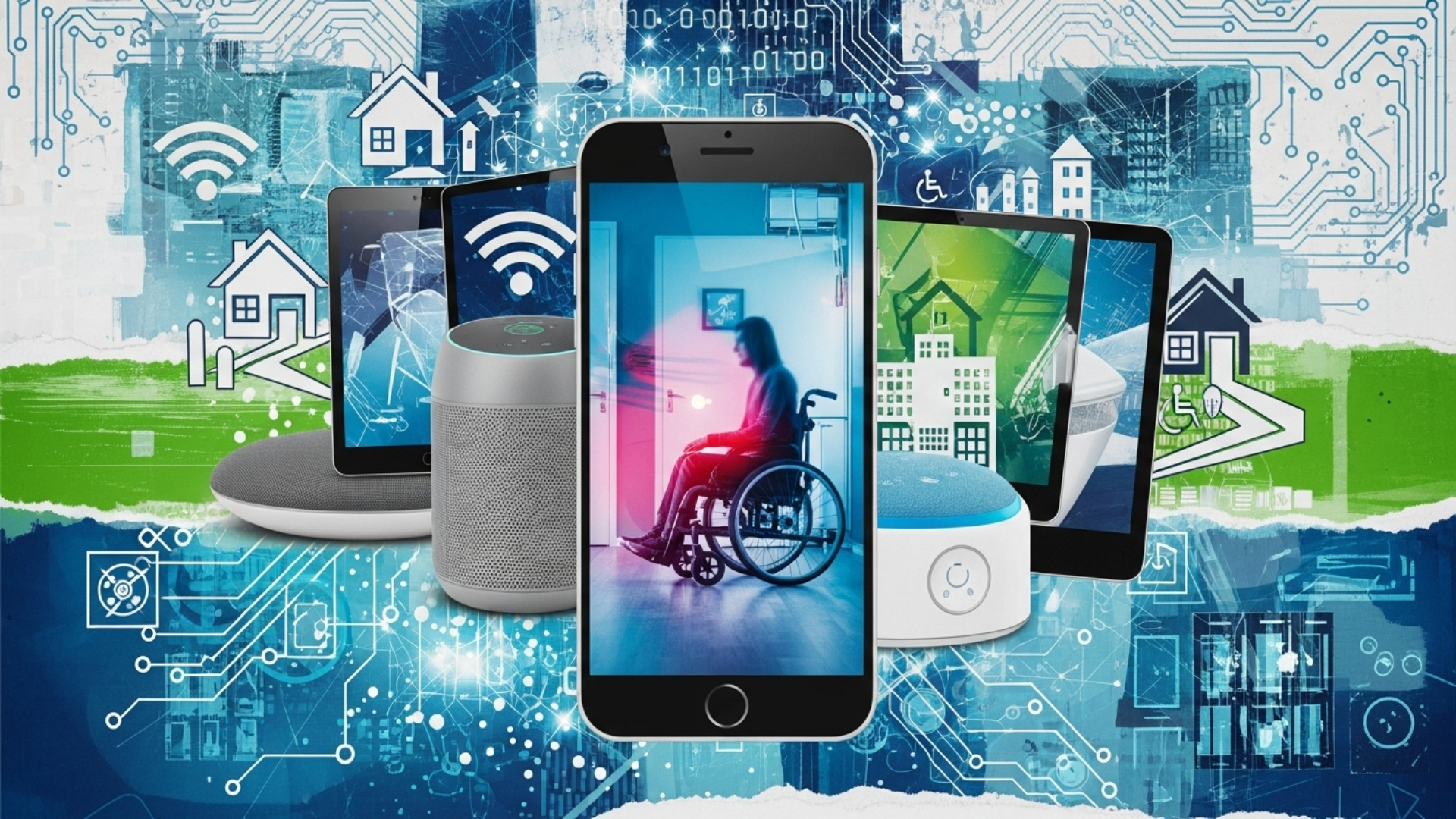
1. Technology as an Enabler
Technology, when used well, can be a powerful enabler of independence. It can help people manage their health, stay connected, access information, and perform tasks that might otherwise require support from others. For vulnerable adults working towards greater independence, technology can make a genuine difference to what's possible.
That said, technology isn't a magic solution. It needs to be introduced thoughtfully, with proper support and training. And it's important to remember that not everyone will want to use technology, or be able to, and that's okay. The goal is to make it available and accessible for those who can benefit from it.
2. Everyday Technology
Many of the technologies that can support independence are things most people use every day without thinking about it. These include:
- Smartphones for communication, reminders, navigation, and accessing information
- Online banking for managing money without needing to visit a branch
- Online shopping for groceries and essentials
- Calendar and reminder apps to help with organisation and routine
- Email and messaging apps for staying in touch
For people who haven't grown up with technology, or who have been away from mainstream life for a while, these everyday tools might need to be taught explicitly. But once mastered, they open up enormous possibilities.
3. Assistive Technology
Assistive technology refers to devices or software specifically designed to help people with disabilities or difficulties. In supported housing, this might include:
- Medication reminder apps or devices
- Voice-activated assistants like Alexa or Google Home
- Large-button phones or simplified interfaces
- Text-to-speech or speech-to-text software
- Visual timers or alarms
- GPS tracking for people who get lost easily, used with consent
Assistive technology can be life-changing for people who struggle with certain tasks. It's worth exploring what's available and considering whether any of it might be helpful for individual residents.
4. Health and Wellbeing Apps
There's a growing range of apps designed to support health and wellbeing. These can be particularly valuable for people managing mental or physical health conditions. Examples include:
- Mood tracking apps to help identify patterns
- Meditation and mindfulness apps
- Exercise or step-tracking apps
- Sleep tracking and improvement apps
- Apps connected to NHS services for booking appointments or accessing records
Not all health apps are evidence-based or appropriate, so it's worth being selective and ideally recommending ones that have been endorsed by healthcare professionals or reputable organisations.
5. Staying Connected
One of the most valuable uses of technology is staying connected with family, friends, and communities. For people who might otherwise be isolated, this can make an enormous difference. Options include:
- Video calling through WhatsApp, FaceTime, or Zoom
- Social media to keep in touch with friends and family
- Online communities or forums for people with shared interests or experiences
- Messaging apps for quick, easy communication
Helping residents get set up with these tools and feel comfortable using them can significantly reduce isolation and help maintain important relationships.
6. Overcoming Barriers
There are several barriers that can prevent vulnerable adults from benefiting from technology. These include:
- Cost of devices and data
- Lack of skills or confidence
- Accessibility issues for people with disabilities
- Language barriers
- Fear or anxiety about using technology
Addressing these barriers might involve providing access to devices, offering training and support, using accessibility features, or simply being patient and encouraging as people learn. Many libraries and community centres also offer free computer access and basic training.
7. Privacy and Safety
Using technology, particularly online, comes with privacy and safety considerations. Supporting residents to use technology safely involves:
- Teaching about password security and not sharing personal information
- Explaining privacy settings on social media
- Helping identify scams and fraudulent messages
- Discussing what information is safe to share online
- Making sure antivirus software is installed where appropriate
These conversations shouldn't be alarmist or put people off using technology. They should be practical, empowering discussions about staying safe online, just as you would about staying safe in any other context.
8. Final Thoughts
Technology has the potential to enhance independence in meaningful ways, but it's not about the technology itself. It's about what technology enables people to do. When it helps someone stay in touch with family, manage their health, or access services independently, it's serving a valuable purpose. When it's pushed on people who don't want it or isn't properly supported, it's just another barrier.
If you're supporting people to use technology, focus on what will actually be useful for them, provide proper training and support, and celebrate the ways it helps them live more independently. That's where the real value lies.


