1. Why Communication Matters So Much
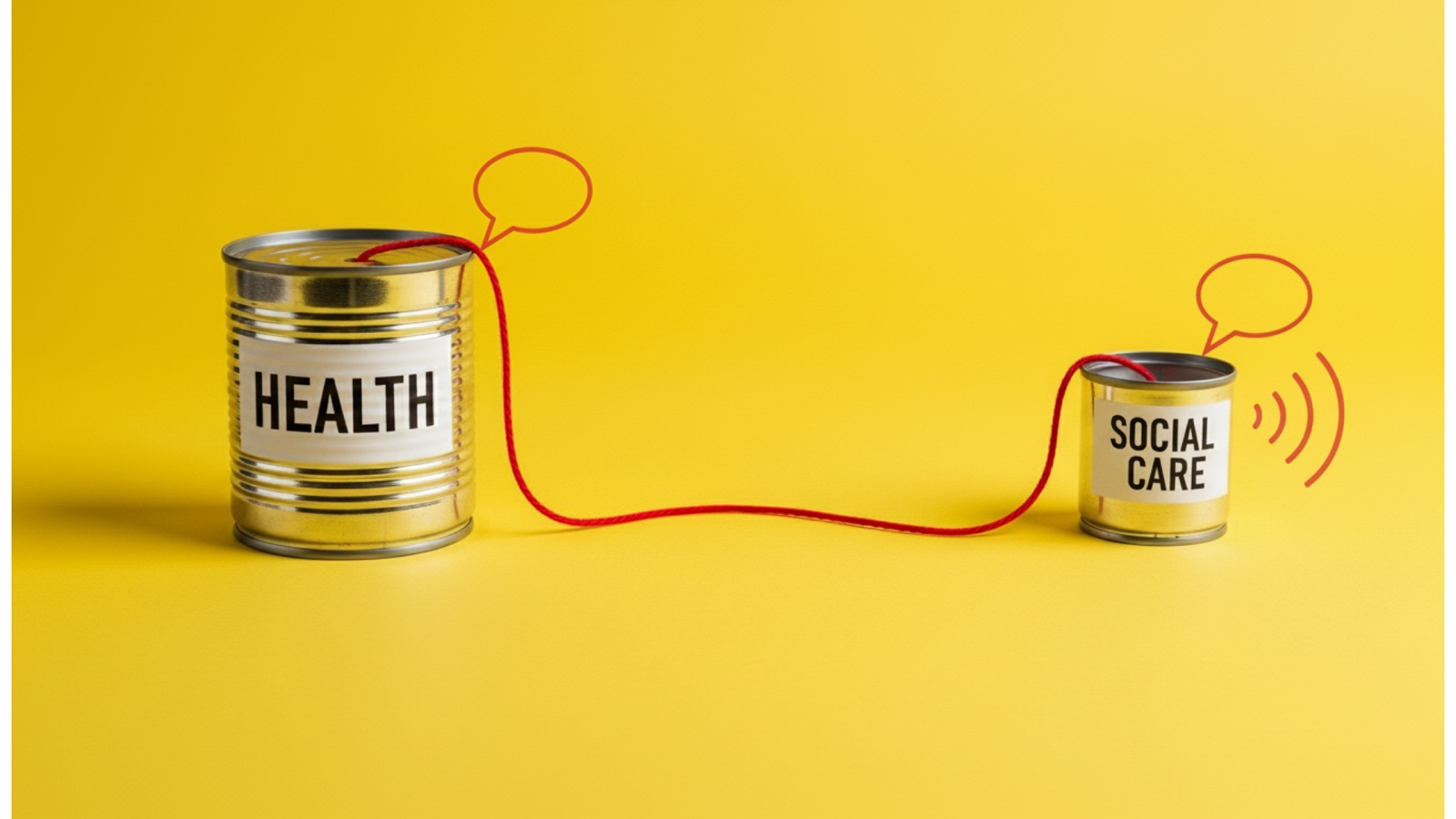
In supported housing, communication isn't just about exchanging information. It's the foundation on which everything else is built. Trust, understanding, progress, they all depend on people being able to communicate with each other effectively and respectfully.
When communication works well, residents feel heard and valued. Support workers can understand what's really going on and offer the right kind of help. Misunderstandings are less likely, and when they do happen, they're easier to resolve. The whole environment feels calmer and more supportive.
When communication breaks down, the opposite happens. People feel frustrated, unheard, or dismissed. Tensions build. Small problems become bigger ones. That's why getting communication right is one of the most important skills anyone in a support setting can develop, whether they're a resident or a member of staff.
2. Active Listening
Active listening is one of the most powerful communication tools available, and it's simpler than it sounds. It means listening with your full attention, not just waiting for your turn to talk. It means making an effort to understand what the other person is really saying, including the things they might not be putting into words.
In practice, active listening might look like maintaining eye contact, nodding to show you're following along, and asking clarifying questions when something isn't clear. It also means putting aside distractions, your phone, your own thoughts about what to say next, and genuinely focusing on the person in front of you.
When someone feels truly listened to, it makes an enormous difference. It tells them that what they have to say matters, and that you care enough to hear it properly. That's particularly important in supported housing, where residents may not have had many experiences of being listened to with that kind of attention.
3. Being Clear and Direct
Good communication isn't just about listening. It's also about being clear when you speak. In support settings, where emotions can run high and situations can be complex, clarity matters more than ever.
Being clear means saying what you mean in straightforward language, without jargon or unnecessary complication. It means being honest, even when the message isn't easy to deliver. And it means checking that the other person has understood what you've said, rather than just assuming they have.
It's also worth remembering that clear communication doesn't have to be harsh. You can be direct and kind at the same time. In fact, the most effective communication often is both, because it respects the other person enough to be honest whilst also being mindful of how they might receive what you're saying.
4. Non-Verbal Communication
A lot of communication happens without words. The way you stand, your facial expressions, your tone of voice, all of these things send messages just as clearly as the words you use. And in a support setting, they can make the difference between someone feeling safe or on edge.
Non-verbal communication is something to be aware of, both in yourself and in others. If you're saying one thing but your body language is saying another, people will often pick up on the disconnect. For example, saying 'I'm here to help' whilst crossing your arms and avoiding eye contact sends a very different message than saying it with an open posture and a calm expression.
Similarly, being able to read someone else's non-verbal cues can give you valuable insight into how they're really feeling. If someone says they're fine but their shoulders are tense and they're avoiding your gaze, it might be worth gently checking in again.
5. Managing Difficult Conversations
Not every conversation in supported housing will be easy. There will be times when you need to deliver difficult news, address a problem, or talk through something that feels uncomfortable. How these conversations are handled makes a real difference to the outcome.
Some strategies that can help include:
- Choosing the right time and place: somewhere private and calm, when both people have time to talk properly
- Starting with empathy: acknowledging that the conversation might be difficult
- Sticking to the facts: focusing on specific behaviours or situations rather than making it personal
- Listening to the other person's perspective: giving them space to explain how they see things
- Working towards a solution together: rather than imposing one from above
Difficult conversations don't have to damage relationships. When they're handled well, with respect and care, they can actually strengthen trust.
6. Boundaries and Professionalism
Good communication in support settings also involves maintaining appropriate boundaries. This is particularly important for support workers, who need to be warm and approachable without becoming overly familiar or crossing professional lines.
Boundaries aren't about being cold or distant. They're about being clear on what the relationship is and what it isn't. A support worker can care deeply about a resident's wellbeing whilst still maintaining the professional distance needed to do their job effectively.
For residents, understanding these boundaries can sometimes be helpful too. It can make it clearer what to expect from the relationship and what kinds of support are on offer. When everyone understands the boundaries, communication tends to be clearer and more comfortable for all involved.
7. Communication Across Differences
People in supported housing come from a wide range of backgrounds, cultures, and experiences. Effective communication means being aware of those differences and making sure that everyone feels respected and understood, regardless of where they're coming from.
This might mean being mindful of cultural differences in how people communicate. In some cultures, direct eye contact is a sign of respect. In others, it can feel confrontational. Some people are comfortable with physical touch, like a reassuring hand on the shoulder. Others find it intrusive.
It also means being aware of different communication needs. Someone with a hearing impairment might need you to face them whilst you speak. Someone with English as a second language might need you to slow down or rephrase things. Paying attention to these differences and adapting accordingly is a core part of effective communication.
8. Final Thoughts
Communication is a skill, and like all skills, it can be developed and improved over time. Whether you're a resident, a support worker, or anyone else involved in supported housing, taking the time to communicate well is one of the most valuable things you can do.
It won't always be perfect. Misunderstandings will happen. Difficult conversations will still be difficult. But when communication is approached with care, respect, and a genuine desire to understand, it creates the kind of environment where people can thrive. And that's worth the effort.