1. What Is the Mind-Body Connection?
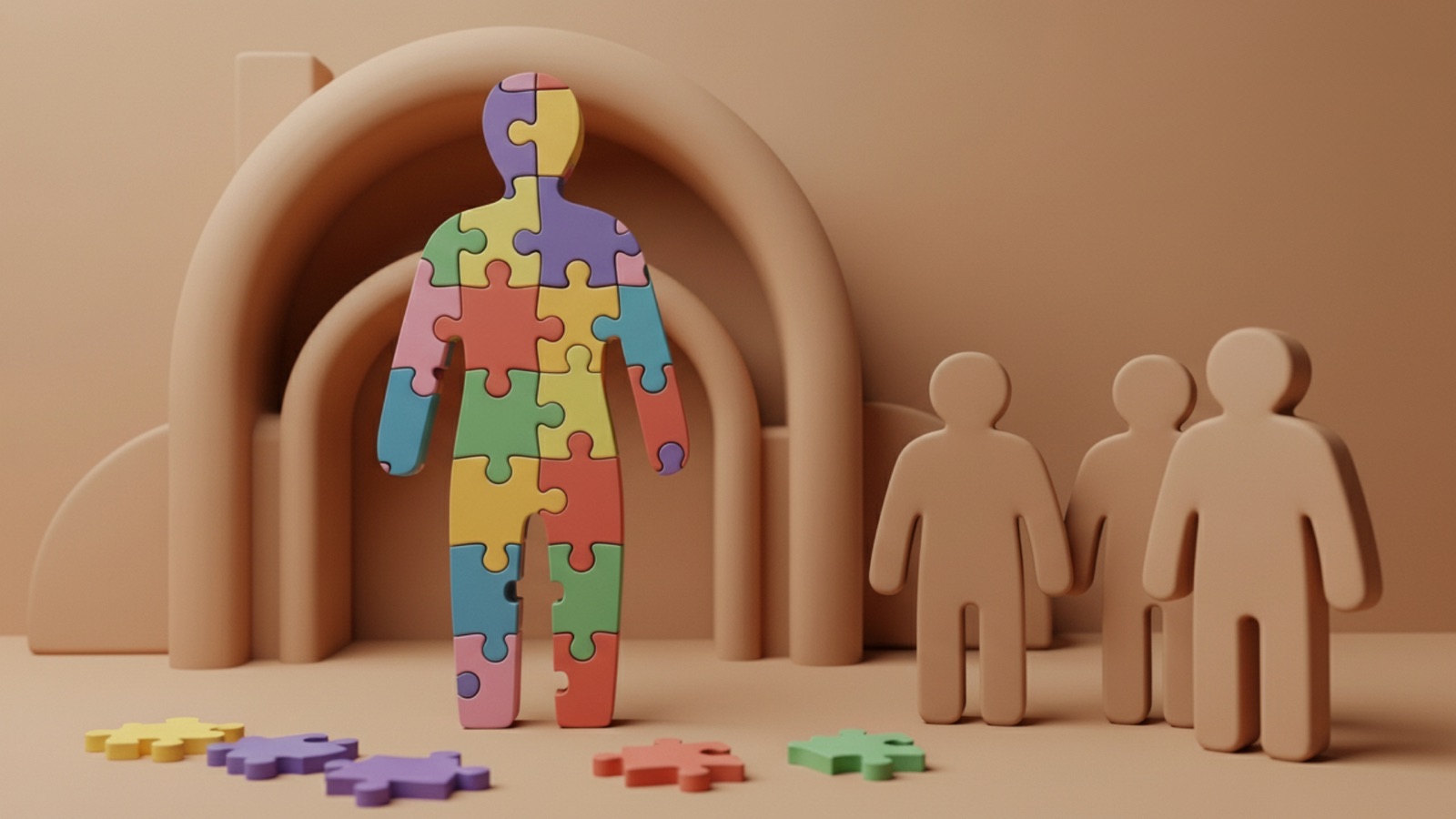
The mind-body connection refers to the bidirectional relationship between mental and physical health. Your thoughts, emotions, and mental state affect your physical health. Your physical state, including pain, illness, or tension, affects your mental health. They're not separate systems. They're deeply interconnected. Understanding this connection helps you take care of your whole self rather than treating mind and body as separate.
For centuries, Western medicine often treated mind and body separately. But growing evidence shows they're inseparable. What affects one affects the other.
2. How Mental State Affects Physical Health
Your mental state affects your body in multiple ways:
- Stress and anxiety trigger physical responses like increased heart rate and muscle tension
- Depression can cause physical symptoms like fatigue and pain
- Chronic stress weakens the immune system
- Mental state affects sleep, which affects physical health
- Anxiety can cause digestive problems
- Emotional distress can manifest as physical symptoms
These aren't imagined symptoms. The physical effects of mental state are real and measurable.
3. How Physical State Affects Mental Health
Physical health equally affects mental wellbeing:
- Chronic pain often leads to depression or anxiety
- Physical illness affects mood and energy
- Poor sleep damages mental health
- Physical tension contributes to feeling anxious
- Lack of movement affects mood
- Nutritional deficiencies can affect mental state
Addressing physical health problems often improves mental health, just as addressing mental health often improves physical symptoms.
4. Stress and the Body
Stress demonstrates the mind-body connection clearly. When stressed, your body responds with fight-or-flight reactions: increased heart rate, muscle tension, rapid breathing, digestive changes. These physical responses to mental stress are automatic and involuntary. Chronic stress keeps the body in this activated state, leading to:
- Muscle tension and pain
- Headaches
- Digestive problems
- Sleep disturbance
- Weakened immune function
- Increased blood pressure
Understanding stress as affecting both mind and body helps address it more effectively.
5. Using the Body to Calm the Mind
Because mind and body are connected, you can use physical approaches to calm mental distress:
- Deep breathing activates the relaxation response
- Progressive muscle relaxation reduces physical tension and mental anxiety
- Exercise releases mood-boosting chemicals
- Changing posture can shift emotional state
- Physical touch, like self-massage, can be calming
When mental approaches like trying to think differently aren't working, physical approaches offer alternative routes to feeling better.
6. Using the Mind to Support the Body
Similarly, mental approaches can support physical health:
- Relaxation techniques reduce muscle tension
- Visualization can support pain management
- Positive mental state supports immune function
- Mindfulness reduces stress-related physical symptoms
- Mental techniques support healing and recovery
The mind isn't magic. It can't cure all physical ailments. But mental state genuinely affects physical health and recovery.
7. Holistic Approaches to Wellbeing
Understanding the mind-body connection supports holistic approaches to wellbeing that address both simultaneously:
- Exercise benefits both physical and mental health
- Good sleep supports both body and mind
- Stress management protects both mental and physical wellbeing
- Nutrition affects both physical and mental state
- Social connection supports both aspects of health
Holistic wellbeing means attending to the whole person, recognizing that everything is interconnected.
8. Final Thoughts
The mind-body connection isn't mystical. It's biological reality. Understanding it helps you take better care of your whole self, using both physical and mental approaches to support wellbeing. It explains why mental distress causes physical symptoms and why physical problems affect mood. And it opens up multiple routes to feeling better, using both mind and body to support health and healing.
If you're struggling with either mental or physical health, consider how the two might be affecting each other. Address both where possible. Use physical approaches to support mental health and mental approaches to support physical health. And recognize that taking care of yourself means attending to the whole interconnected system of body and mind.